
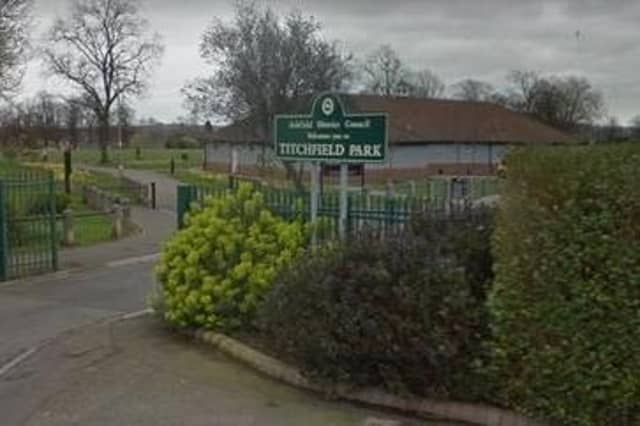

Hucknall is notably the final resting place of the famous Romantic poet Lord Byron and his daughter, the pioneering mathematician Ada Lovelace, while both areas have strong links to notable figures and industrial innovation, including the testing of the world's first vertical take-off jet aircraft by Rolls-Royce in Hucknall.
Join us as we explore the remarkable legacy of Hucknall and Bulwell and the outsized impact they've had on global history and culture.
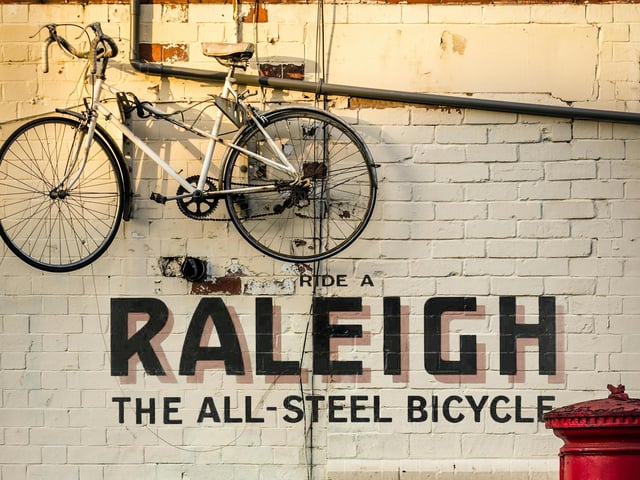
5. Raleigh Bicycles
Raleigh Bicycles: The iconic bicycle brand Raleigh was founded in Nottingham in 1887 and became one of the world's leading manufacturers. Photo: pexels-trushotz-2012836-8275771
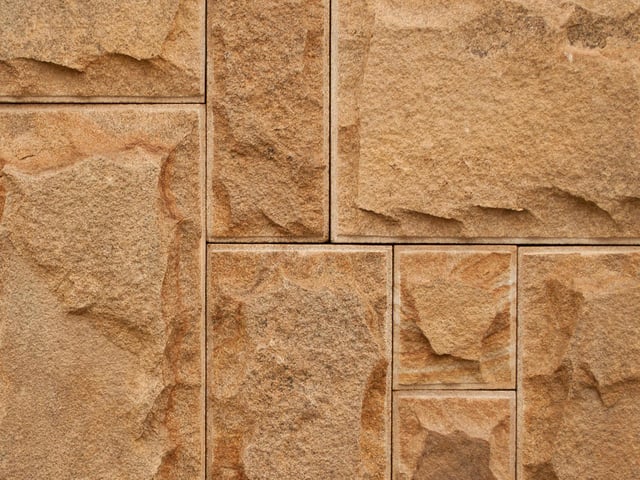
6. Bulwell Stone
Bulwell Stone: The area is known for its durable magnesian limestone, which was quarried extensively and used in the construction of many local buildings (including sections of Wollaton Hall's wall) and even used in repairs to the Houses of Parliament after WWII. Photo: pexels-pixabay-220152
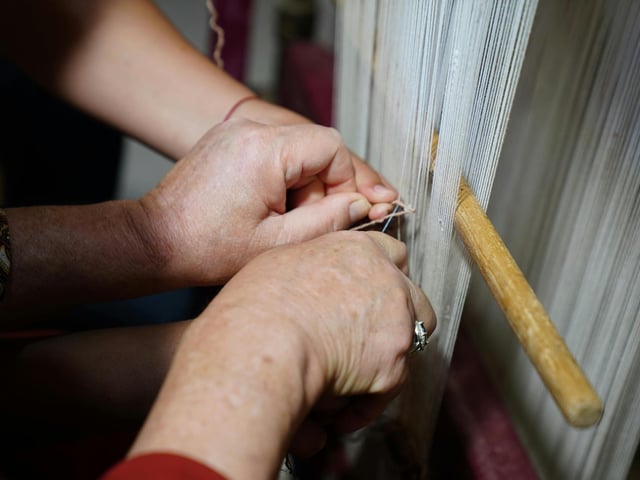
7. Framework Knitting
Framework knitting: Was central to Hucknall's history, bringing it prosperity in the 18th century but also hardship that led to the Luddite riots. The domestic industry, which involved the whole family, declined due to economic depression, and was followed by other trades and, eventually, the rise of coal mining in the mid-1800s. Photo: pexels-tahir-x-lf-2153788153-33925037

8. Tarmac
Tarmac: The modern road surfacing material, tarmac (tarmacadam), was invented by Edgar Hooley in Nottinghamshire in 1901. The world's first tarmac road was laid in West Bridgford, Nottingham. Photo: pexels-sebastianbeck-2397262