
Notts Fungi Group led free walks, talks and activities throughout the day, as Sherwood Forest hosted a fungi day on Saturday, October 5.
The exhibits were free, and dozens signed up for hour-long guided tours in hopes of finding fungal families throughout the forest.
The county-wide group operates with the help of volunteers who share an interest in mycology.
The group invites anyone interested in learning more about the fungi found in Nottinghamshire to join them on their expeditions.
More information can be found at: nottsfungigroup.org.uk
Ann Ward, who has chaired the group for more than ten years, was one of the members who led a guided tour.
She mentioned that her interest in the group stemmed from curiosity.
When asked about the most enjoyable part of her work with the group, she said: “It is the sharing element.
“A lot of people are afraid of fungi and think they are all dangerous and poisonous.
“Many shy away from them instead of enjoying them.
“ A lot of us enjoy learning about them and taking photos. It is a hobby and interest for us.”
The group meets 10-12 times during autumn, commonly known as ‘fungi season’, with a few meetings held in spring.
Ann said the group seeks landowner permission across the county and surveys sites, identifying a list of species.
The group does not collect for consumption.
Volunteers have a variety of interests and specialties, which makes the group a knowledgeable bunch.
For other upcoming events at Sherwood Forest, visit: visitsherwood.co.uk/events/
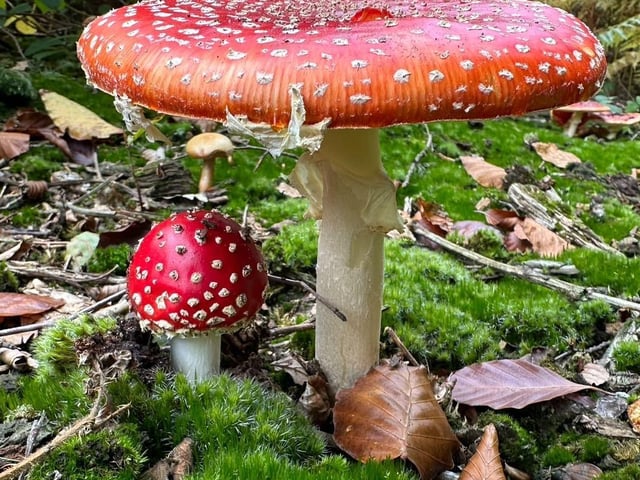
1. Fly Agaric
Reporter Phoebe found a Fly Agaric mushroom in Budby South Forest, part of Sherwood Forest, following the exhibition and guided walk. Photo: Phoebe Cox
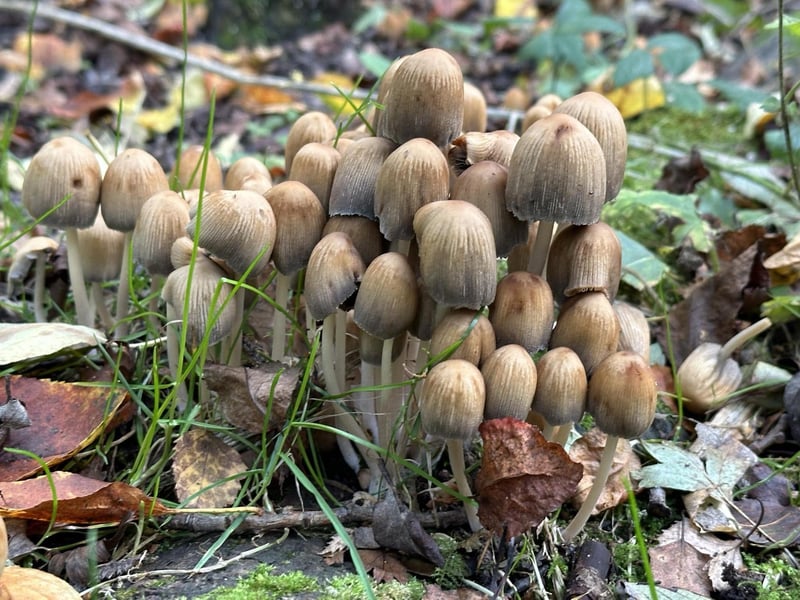
2. Clusters of caps
Visitors had the opportunity to join a guided walk through the forest to learn about the different types of fungi found on the forest floor and within the trees. One of the species that was identified is the glistening inkcap, a type of Coprinellus micaceus. These mushrooms typically grow in clusters on wood debris and stumps, and are visible from spring to autumn. Photo: Phoebe Cox
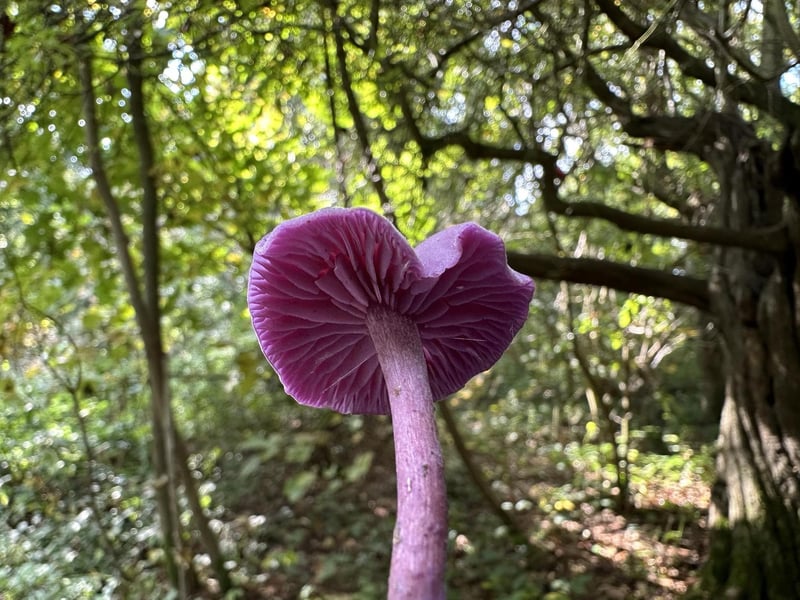
3. Amethyst deceiver
The Amethyst Deceiver, also known by its scientific name Laccaria amethystina, is a stunning mushroom that can be found popping up from forest floors. It was a popular find among visitors, with many quick to snap a photo of this colourful mushroom. Photo: Phoebe Cox
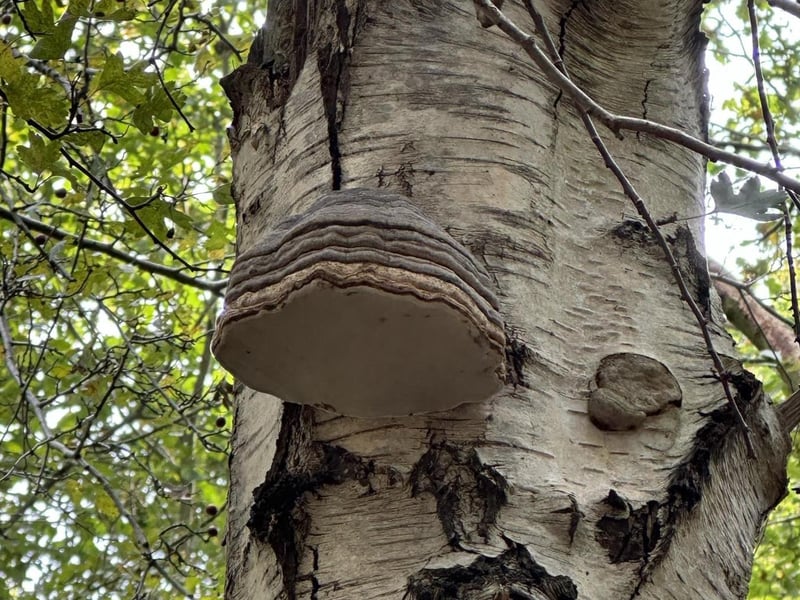
4. Known as the horse's hoof
Tinder fungus, a species of Fomes, closely resembles a horse's hoof, hence its nickname. It is commonly found on birch trees, and sometimes on beech trees. This fungus grows on living trees, stumps, or fallen logs. When searching for mushrooms, remember to look up as well as scanning the forest floor. Photo: Phoebe Cox