
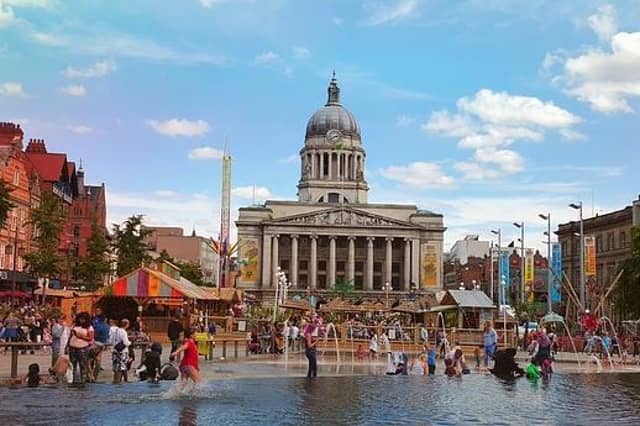

When it comes to British place names, Anglo-Saxon origins tend to dominate in the south and Scandinavian languages in the North, mixed in with Old British or Celtic terms for natural features such as hills and rivers. Nottinghamshire still shows the influence of all three factors in the names we find today.
Often towns and villages share common endings such as -tun (settlement), -ham (homestead), -feld (farmland), -by (village), -caester (Roman stronghold), -worthig (enclosure), -dun (hill), -halh (nook of land) – but these usually follow a first element which is much harder to define, especially when a personal name is concerned.
The famous Domesday Book – a land survey commissioned by William the Conqueror and completed in 1086 – shows Nottinghamshire names which have been modernised, but otherwise changed very little in all that time.
To understand where they came from, we went looking in the Oxford Dictionary of British Place Names.
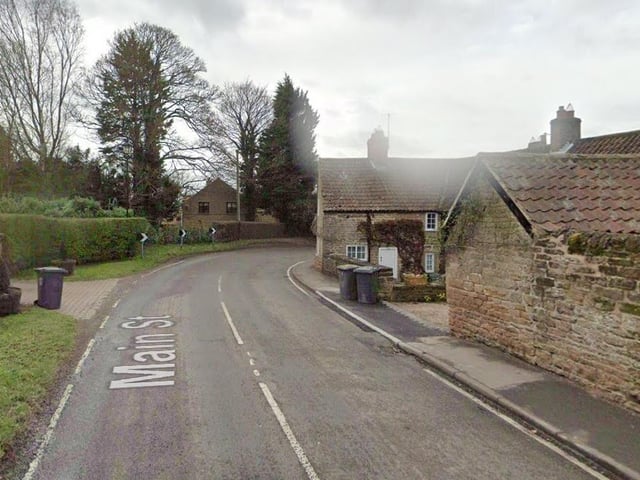
9. Papplewick
The name signifies the dwelling place of Pappa, a Saxon chieftain. The termination wic, in Anglo-Saxon, signifies a dwelling-place. Photo: Google Maps
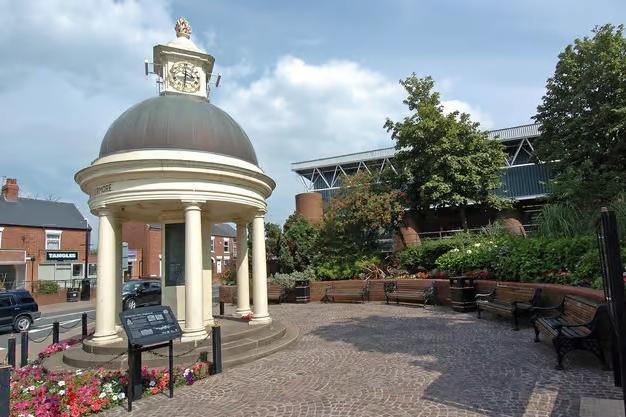
10. Kimberley
The place is noted in the Domesday Book of 1086 as “Chinemarelie,” which means wood or “Cynemoer”, with the components “Cyne,” royal and “Moer,” which means Fame. Photo: Google Maps
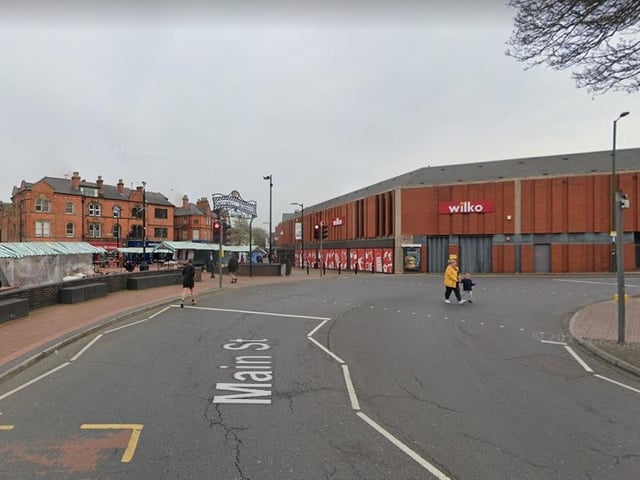
11. Bulwell
The name is supposed to have been derived from the spring which runs out of the Bunter sandstone over a bed of clay, near to the northern end of the forest, called "Bull Well." In The Place Names of Notts, it is suggested that the first part of the name may stand for an Anglo Saxon person called Bulla, or a bull, or it may describe the bubbling sound produced by the flowing water of the spring. Photo: Google Maps
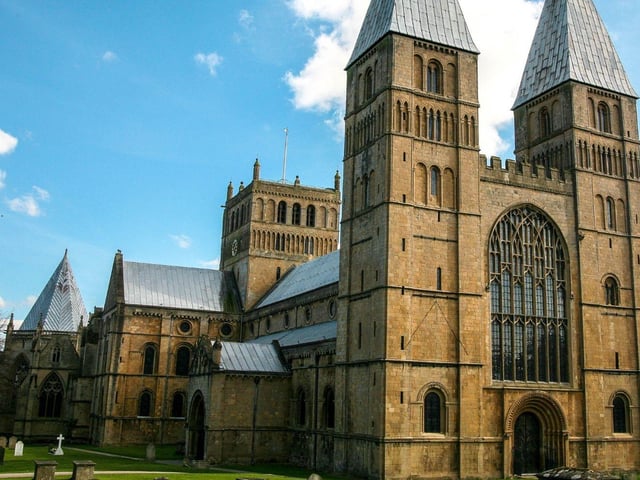
12. Southwell
The origin of the name is unclear. Several sites claim to be the original "south well", notably in the Admiral Rodney pub; on the south side of the Minster, known as Lady Well in the 19th century; and one by the cloisters called Holy Well. Norwell, 8 miles north-west, may support the idea of a pair of "south" and "north" wells in the area. Photo: Google Maps