
Nottingham's homeless won’t be put up in hotels in cold weather after ‘sex work’ concerns
Nottingham’s homeless will be put up in shelters rather than hotels during cold weather spells after they were being used for “unsafe” activities, including sex work.
When freezing temperatures hit, all people sleeping rough on Nottingham’s streets are approached with an offer of shelter in a bid to prevent death.
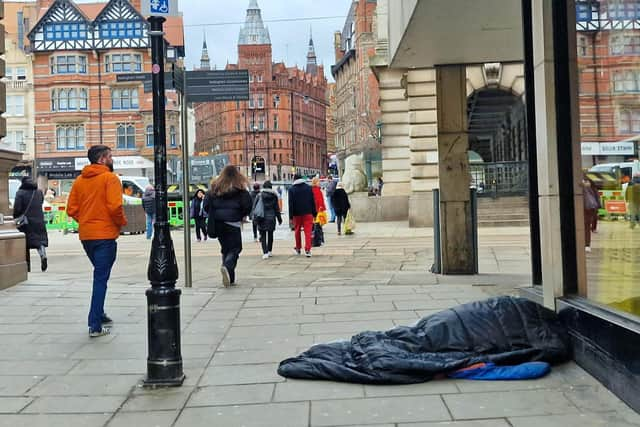

Up until 2023, Nottingham City Council used hotels as severe weather accommodation.
However, this proved to be costly and unsafe, the authority said.
Some hotels were used for sex work, drug-taking, and other ‘risky behaviours’, and vulnerable people could not be monitored while in their rooms, which led to a risk of harm to them and other hotel users.
Kimberley Cooney, who co-ordinates rough sleeping support for the council, said: “While this approach enabled the rapid accommodation of individuals experiencing homelessness, it presented a number of challenges.
“The financial cost was significant and it also attracted individuals to the city who would not typically have sought support here.
“Additionally, the availability of hotel accommodation led some individuals to leave existing housing arrangements, as hotels were perceived as a more preferable option, which had a longer-term impact on rough sleeping figures within the city.
“When the Severe Weather Emergency Protocol (SWEP) period ended, many individuals were left without ongoing accommodation, and subsequently returned to rough sleeping.”
In winter 2023 the council trialled using temporary shelters for rough sleepers during bouts of severe weather
Multiple shelters were used across the city, with separate services for women, and people with a range of needs.
These services were staffed overnight by specialist personnel, who were able to take basic details and ensure shelter rules were being adhered to, guaranteeing the safety and wellbeing of all service users.
The council said in a report the new way of working reduced costs by an initial £25,000, no individuals presented having left hostel accommodation for a more attractive offer and there were no safeguarding implications such as sex work, drug taking or damage reports.
There is a humanitarian obligation on local authorities and partner agencies to try to prevent death on the streets, and most councils fulfil this moral responsibility through what’s known as the Severe Weather Emergency Protocol (SWEP).
This protocol is active between October 1 and April 30 each year.
In total £240,000 has been allocated for the support and staffing of shelters, equating to £80,000 per year.
Earlier this year council figures revealed the monthly street count of those sleeping rough was between 40 and 60 people, with 149 individuals identified at some point during the month of November 2025 alone.
While many of the main cities across the country record higher absolute numbers of rough sleepers, Nottingham has the highest rate when population size is taken into account.