
Bulwell councillor says city finances heading in ‘right direction’ despite continued reliance on emergency support measures
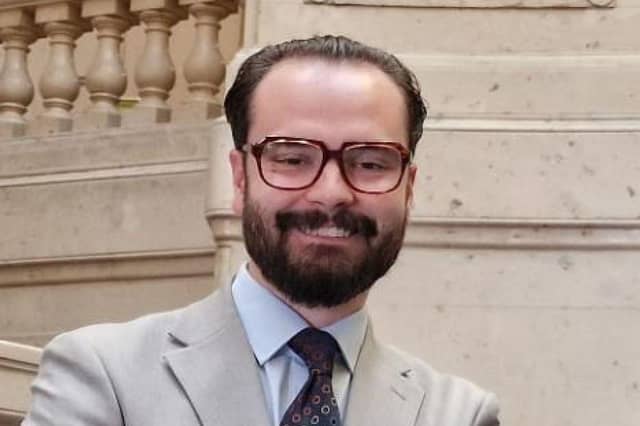

A Bulwell councillor says Nottingham City Council’s finances are heading in the ‘right direction’ despite the continued use of emergency support measures, its deputy leader has said.
The Labour-led authority, which was declared effectively bankrupt in 2023, says it is currently anticipating to underspend by around £3m in the current financial year, which ends March 31, 2026.
This means the council is expecting to have £3m left over once all expenditure in its day-to-day services is accounted for.
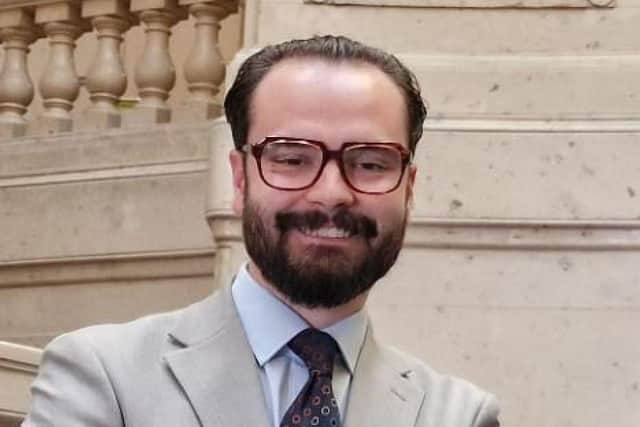
And Bulwell councillor Ethan Radford (Lab), deputy leader and executive member for finance, says this points to ‘positive’ financial performance following years of overspending.
A report was presented to an executive board meeting on September 16, noting the council’s current financial position.
Coun Radford said: “This report shows an overall forecast underspend of £3m which shows the city’s quarter one financial performance is positive, and the overall financial position of the council is going in the right direction.
However, the report says the underspend has only been achieved due to the continued reliance on emergency measures.
In February 2024, a team of Government-appointed improvement commissioners were sent in to oversee critical changes.
At the same time, the Government gave the council permission to use up to £65m in exceptional financial support (EFS) to help balance its budget.
This accounting mechanism allows councils to sell property and land and use the money made for day-to-day spending, something which is not typically allowed outside of exceptional circumstances.
Through the use of EFS the council is currently expecting to underspend by just over £3m this financial year.
Comparatively, the authority’s former finance boss declared it effectively bankrupt in November of 2023 due to a £23m overspend.
But the council says its base budget is being set using up to £20.7m of EFS, without which it would end up overspending by £17.7m.
But positively, the authority’s leadership says, the council has been using much less of its allowed EFS than expected.
Around £41m was expected to have been used in 2024-25 to help the authority set a balanced budget, but it ended up only needing £7.7m – which was fully funded from asset sales, not borrowing.
Sajeeda Rose, council chief executive, said the use of less EFS money than anticipated points to a ‘more sustainable base budget’.
The authority is aiming to avoid the use of land and property sales to pay for everyday services in the next few years.
Some concerns remain, particularly in the delivery of proposed savings and cuts, and financial pressures in care services.
The budget has built on the proviso savings totalling £39.1m in 2025-26 will be achieved, but currently only £27.9m in savings are forecast to be delivered this financial year, with £6.4m expected to be delivered next year.
There is a ‘significant risk’ some of the savings may not be delivered at all, meaning the money will have to be found elsewhere.
This could lead to an under-delivery of savings by around £11.2m this year, and the non-delivery of savings totalling £4.9m, documents say.
Some of the most significant financial problems are in children’s services, which is reporting an overspend of £3.8m against a net budget of £89.1m.
The council says this is because of an ‘overhanging prior year overspend’ and significant children in care placement costs.
Coun Radford added: “The council continues to face demand pressures in our care services, in line with what councils across the country are facing.
“Overall, it is good news and it is promising, but the council cannot overlook the continuing challenges in care services which will require the organisation to remain disciplined and focus in the months ahead.”