
Nottinghamshire funeral director issues warnings over ‘longer than COVID’ delays
A.W.Lymn have raised concerns over the delay over funerals
A leading Nottingamshire funeral director has warned it is seeing delays between a death and a funeral which are now longer than it experienced during Covid, two years on from reforms to the death certification process.
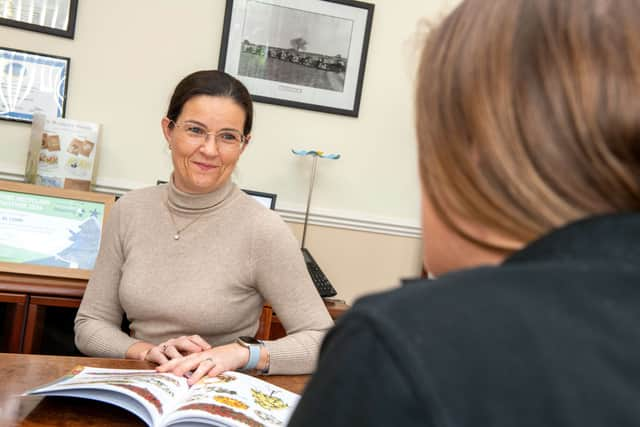

A.W. Lymn The Family Funeral Service says bereaved families can now be left waiting up to five weeks to bury or cremate someone who has passed away, after changes to death registrations meant all deaths must be scrutinised by a Medical Examiner (ME) – adding additional stages of paperwork and sign off, even when a death occurs from natural causes.
Chloe Lymn Rose, fifth generation Lymn and Company Director has extensive experience in implementing changes to national legislation within the business and was instrumental in pioneering both A.W. Lymn’s and the wider funeral industry’s response to the Covid pandemic.
She said: “While the new system allows every family the chance to query the recorded cause of death for a loved one, over the last two years, we’ve unfortunately seen the time period between a death and a funeral significantly increase.
“This has many practical implications for us as a business and means the deceased often stays in care in our mortuaries longer than they previously would, delaying the embalming process, and placing a strain on our capacity. But this isn’t just an issue for funeral directors; we know of several hospitals which rely on the support of local funeral directors to ease capacity concerned over body storage, or have on some occasions placed a deceased in deep freeze.
“But perhaps most concerning is the impact on grieving families. For many, a funeral offers a sense of closure. Long delays force families to revisit their grief weeks later and as a society we cannot and should not underestimate the emotional distress this causes.”
Reforms to the death certification process were first introduced in September 2024. Before this, deaths were expected to be registered within five working days of occurring.
Chloe added: “Unfortunately reforms were introduced without sufficient infrastructure to support the additional workload that has been put in place. MEs must also be an experienced practicing registered medical practitioner, which means they are only able to work in this position for a few hours each per week.
“This can lead to duplications of work as a different ME may receive response to questions raised, or admin delays as they are not regularly in attendance to chase up matters. Even something as simple as a Doctor’s annual leave can hold up a death registration significantly.
“The fundamental issue is that this is being treated simply as paperwork, when the real-world consequence for bereaved families is monumental.”