
Bus fare cap: when do bus fares go up - as millions of passengers face 50% £2 fare increase

To start the new year off, single bus fares are rising by half 🚍
- Bus fares in England have increased, with the single fare cap rising from £2 to £3
- The new cap, in place until the end of 2025, is the first change since its introduction in 2022
- Passengers on longer routes could save up to 80% compared to uncapped fares
- Local authorities can subsidise fares to maintain lower caps in their regions
- The Government says the rise ensures financial sustainability, but campaigners warn it may burden passengers
Millions of bus passengers in England face a fare increase this new year, with the cost of single fares rising by 50%.
The Government raised the bus fare cap on Wednesday, January 1, marking the first change since its introduction on most routes two years ago.
The Department for Transport (DfT) has said the change could result in “potential savings of up to 80% on some routes”.
How much are single fare prices going up?
The Government raised the bus fare cap from £2 to £3. The £3 cap will remain in place until the end of 2025.
Fares that would be lower than £3 without the cap, such as those in urban areas, are allowed to increase only in line with inflation.
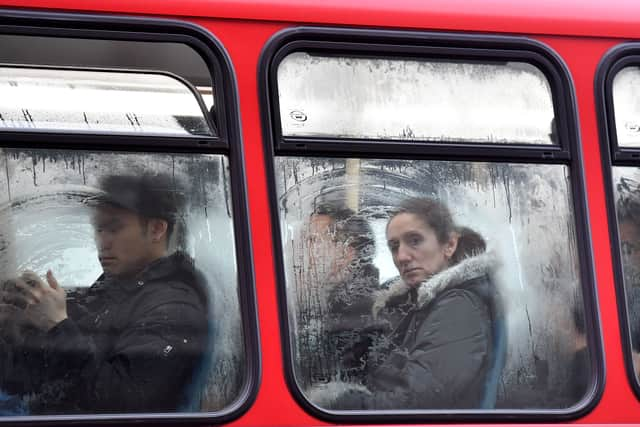

Local transport authorities have the power to keep the cap lower in their areas if they subsidise it themselves, or fund their own local schemes.
Greater Manchester Mayor Andy Burnham previously announced that single fares in the region will remain capped at £2 “for the whole of 2025 but subject to a mid-year review”.
In West Yorkshire, the cap will remain £2 until the end of March, after which it will rise to £2.50 for the remainder of the year.
Alison Edwards, director of policy at bus and coach industry body the Confederation of Passenger Transport, said: “We understand passengers’ concerns about the national fare cap rising.
“However, a vast majority of the 11 million people who travel by bus every day will continue to pay well under £3 per journey.
“The fare cap only applies to single tickets. Commuters and regular passengers generally travel using season tickets, which are cheaper.
“And for the 26% of passengers who do travel on individual tickets, many fares for shorter journeys remain below £3.”
Why are prices going up?
After the increase in the cap was announced in Chancellor Rachel Reeves’ first Budget in October 2024, a Government source said maintaining an upper limit for bus fares was “hard fought for in the Budget process” and is largely aimed at helping passengers in rural areas.
Analysis commissioned by the DfT found keeping the cap at £2 was “not financially sustainable for the taxpayer” and “offered poor value for money”, the source added.
The DfT said buses have suffered “almost four decades of decline”, with thousands of services slashed.
Silviya Barrett, from lobby group Campaign for Better Transport, said: “This is a significant increase that will be a costly start to 2025 for many people. Buses are our most used form of public transport so they need to be affordable.
“The fare cap has proved popular with passengers and helped boost ridership, so the Government must now look for a long-term replacement for the scheme from next year to avoid any further rises.”
What do you think about the bus fare increase? Will it affect your daily travel or budget? Share your thoughts, experiences, and ideas in the comments section.